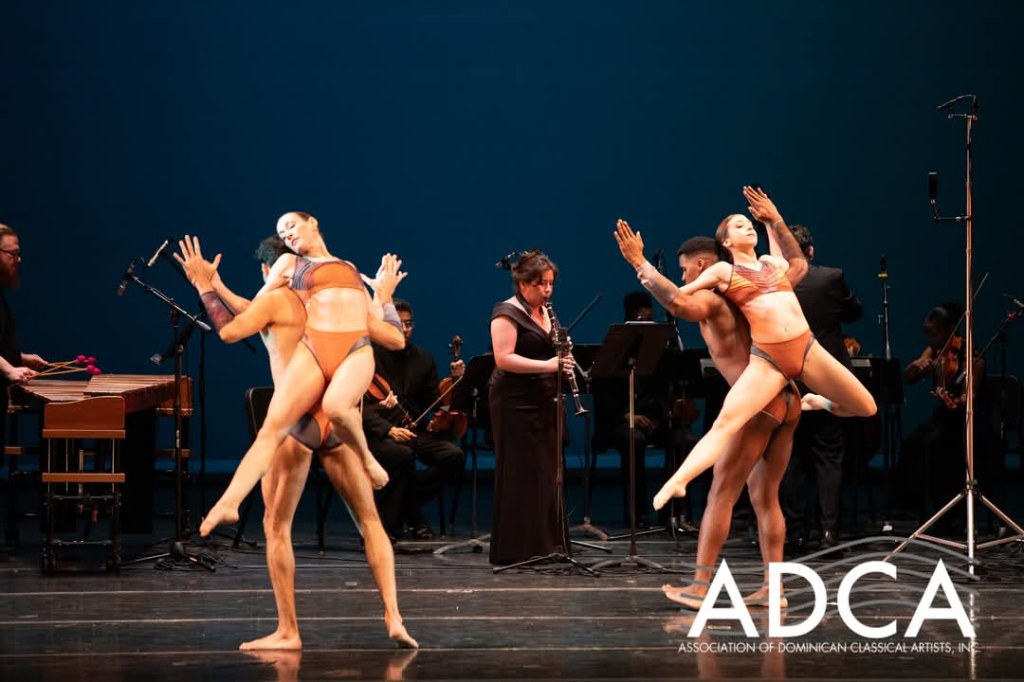
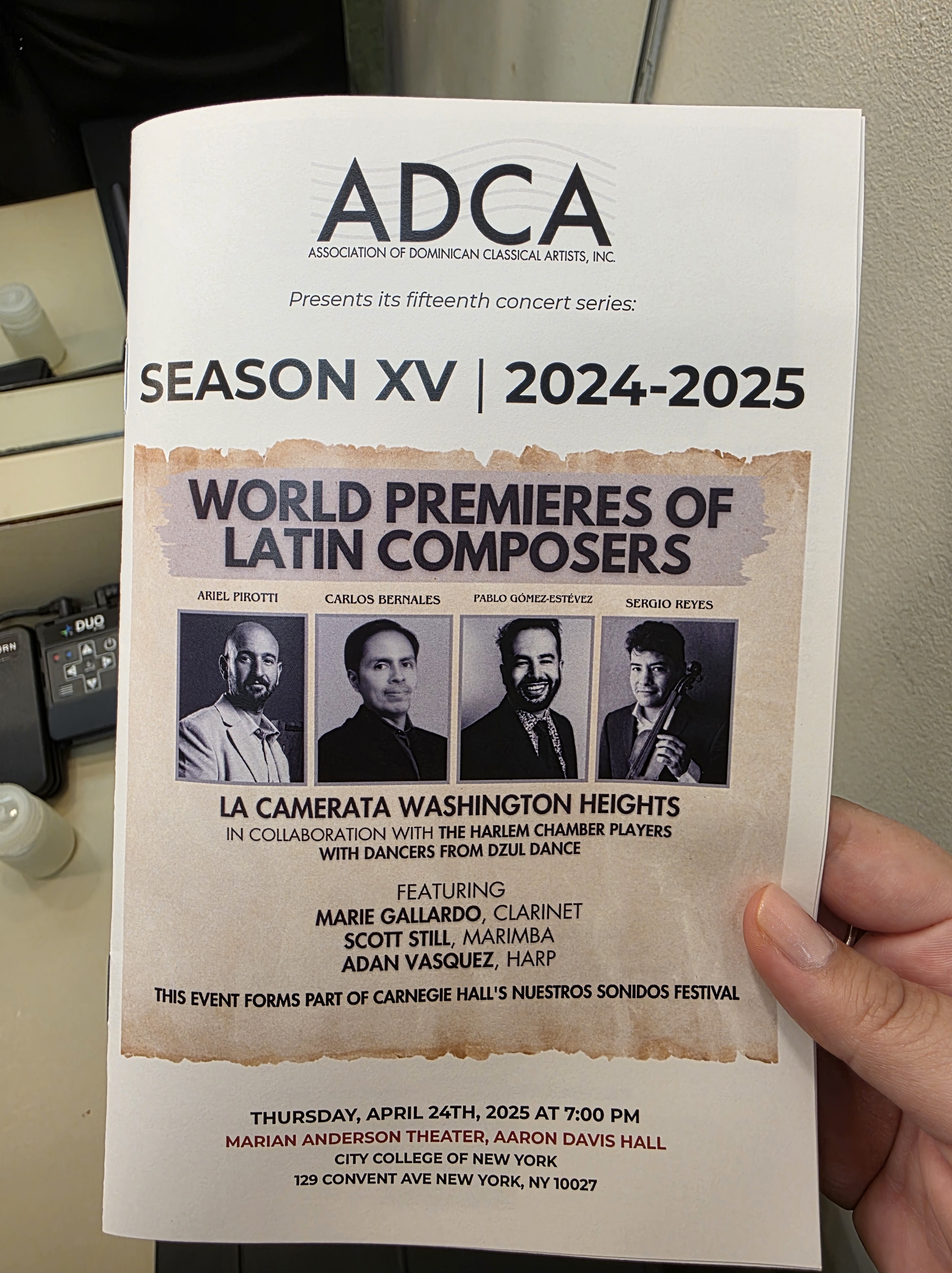
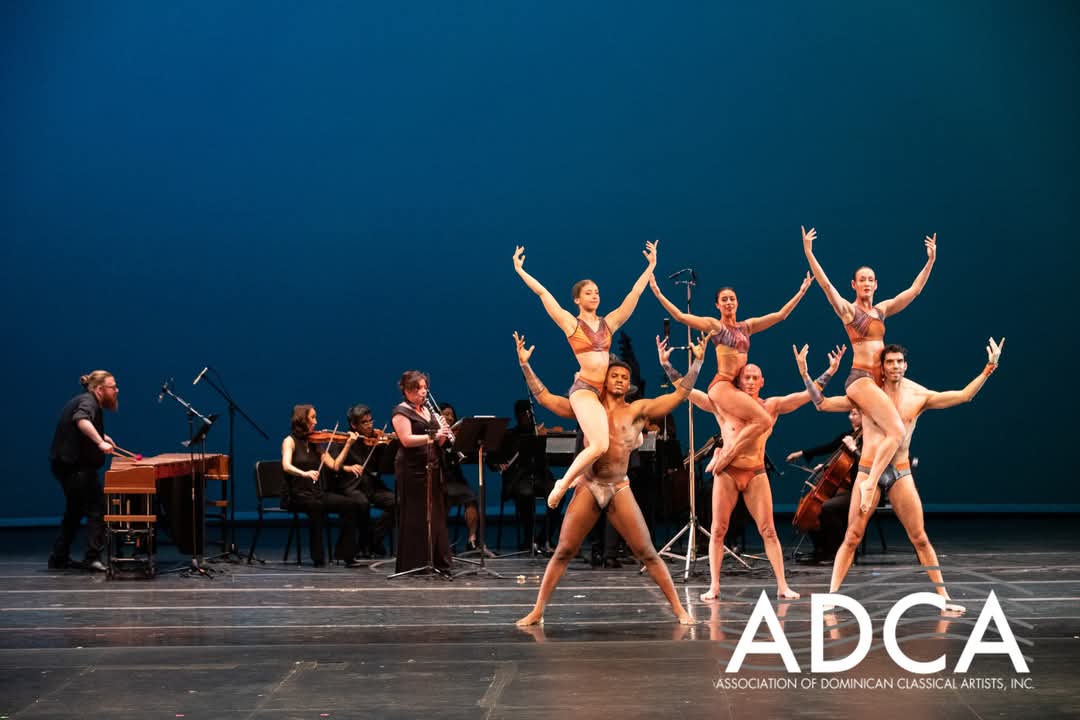
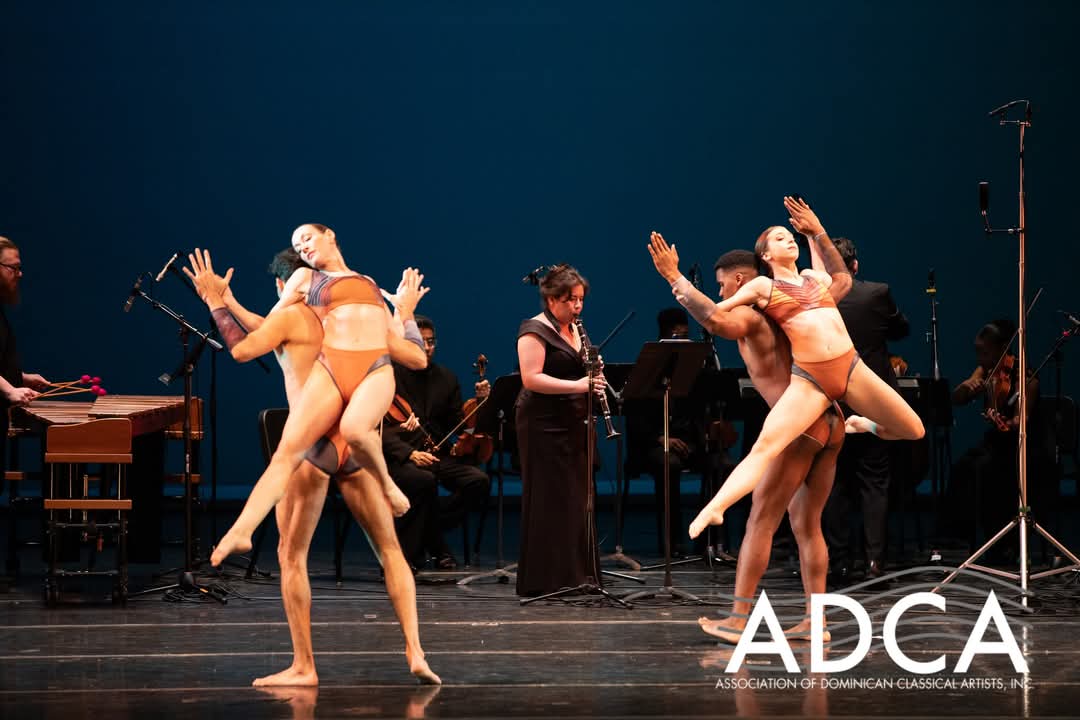
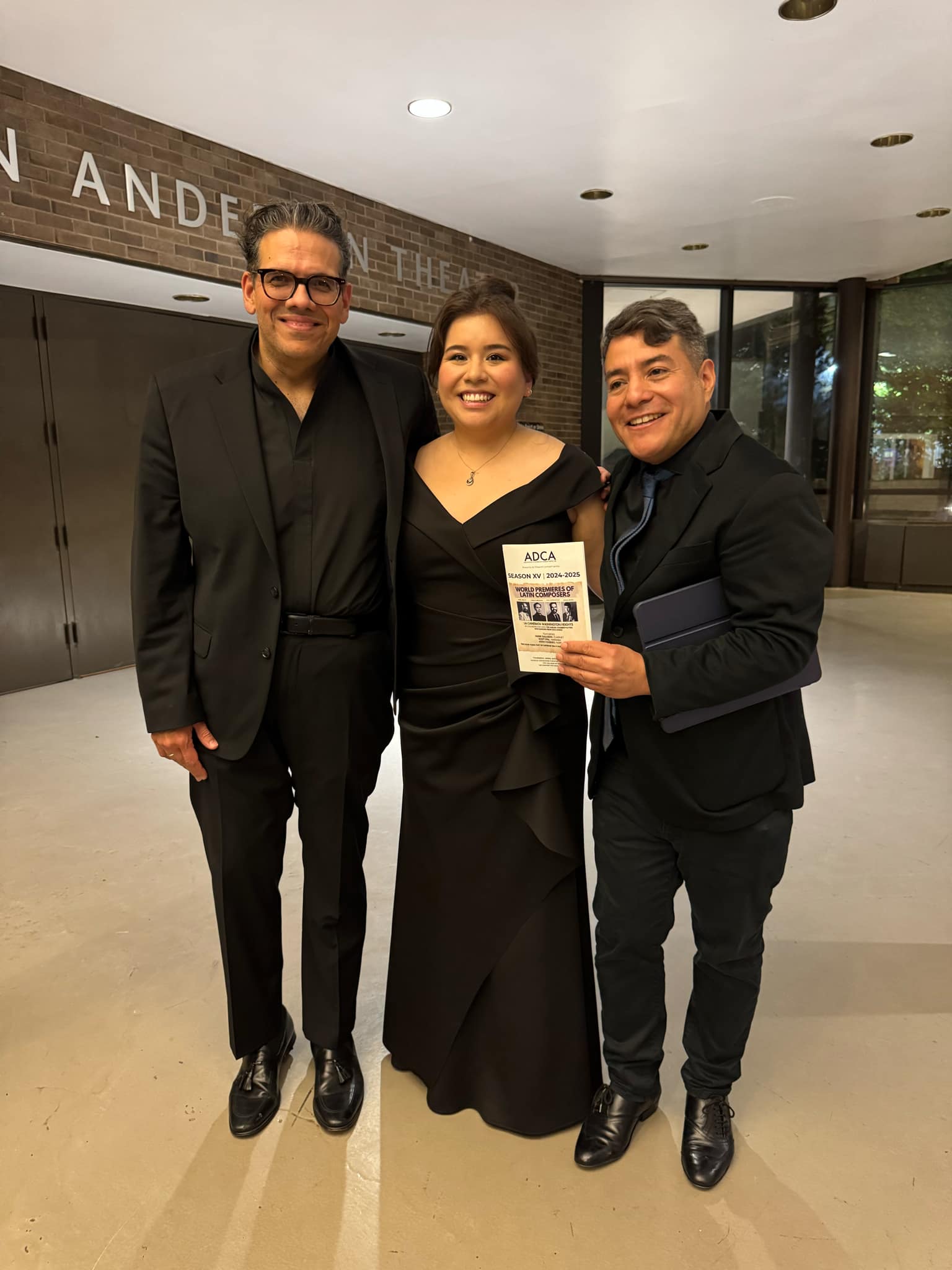
On May 15th, 2025, I had the incredible honor to present a premiere performance of Guatemalan music in New York City, at Aaron Davis Hall at City College, in collaboration with the Harlem Chamber Players, Association of Dominican Classical Artists, and Dzul Dance. This concert was titled “World Premieres by Latin Composers,” and was featured as part of Carnegie Hall’s Nuestros Sonidos (Our Sounds) festival that “shines a light on the vibrant sounds, diverse traditions, and enormous influence of Latin culture in the US.”
This event marked an important step in my mission to advocate for and expand awareness of Central American composers, particularly those whose work for clarinet has never been widely performed, recorded, or published.
Resiliencia de los Pueblos Indígenas de Guatemala by Sergio R. Reyes Mendoza
The work I premiered was composed by Sergio R. Reyes Mendoza, a Guatemalan composer based in New York whose musical language blends tonal lyricism with traditional folk gestures and rhythmic complexity.
I first met Sergio during my Lecture recital research on Guatemalan clarinet music, and he has been the single greatest supporter and fountain of knowledge for me during that process. From this collaboration, I was fortunate enough to premiere this new work written for chamber strings with solo clarinet and marimba. Resiliencia is written in three movements. Below I have included brief program notes of the piece by Sergio R. Reyes Mendoza:
The chamber suite is an homage to the Indigenous Peoples of Guatemala who led protests that lasted 106 days in October, 2023. They defended the democratic vote against the attempts by the so-called ‘Pact of the Corrupt’ to declare electoral fraud. The music is also inspired by two archaeological pieces from the PreClassic and Classic Maya periods which illustrate and evoke the importance of consensus and well being.
Performing the Work
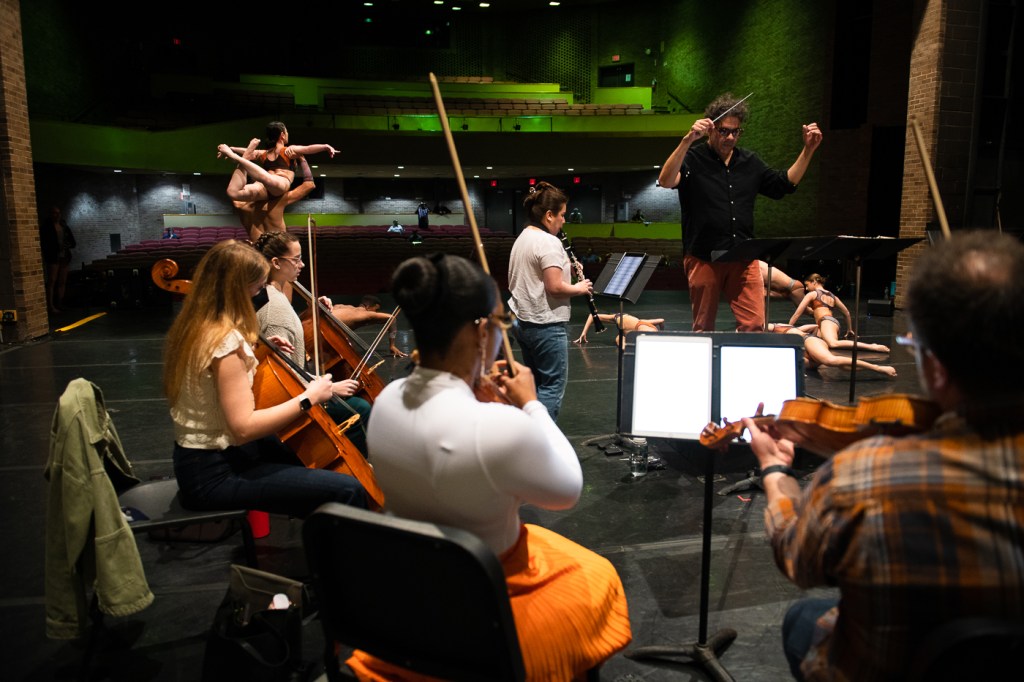
In preparation of this work, I worked closely with the composer to interpret phrasing, articulation, and stylistic intentions that are not always easily notated in Western classical tradition. These interpretations became an act of both scholarship and cultural translation and a process that underscored the role of performer-researchers in shaping repertoire visibility.
Though the full concert video is still being processed, I have included a short audience recorded clip that offers a glimpse into the atmosphere and musical language of the piece:
The performance and premiere of this work is incredibly important to me as a performer, a scholar, and a Latina artist. This public-facing moment is part of a larger, ongoing research initiative: to locate, document, and promote Central American art music for clarinet. My performance of this work as a Guatemalan American woman was deeply special to me as it brings me closer to my heritage and brings great pride to represent the Guatemala diaspora.
By bringing this music to a venue like Aaron Davis Hall in a city like New York, I hope to continue pushing back against the invisibility of Central America in Western classical music spaces. Every new performance is a chance to spark curiosity, disrupt assumptions, and build a more inclusive canon.
What’s Next?
This performance is just the first of many to follow that will feature repertoire centered on Guatemala and Central America. I am currently preparing additional research and pedagogical resources that I will continue sharing on this site.
If you are a clarinetist, educator, or researcher interested in this repertoire, or if you are a composer from Central America writing for clarinet, please reach out! I would love to connect.
In the meantime, you can listen to several related works on my newly released album:
Voices of the Isthmus: Contemporary Clarinet Sounds of Central America on SoundCloud
 Guatemalan Music for the Clarinet
Leave a comment